
Cars of the Month – May, 2026
1975 Porsche 911S Targa
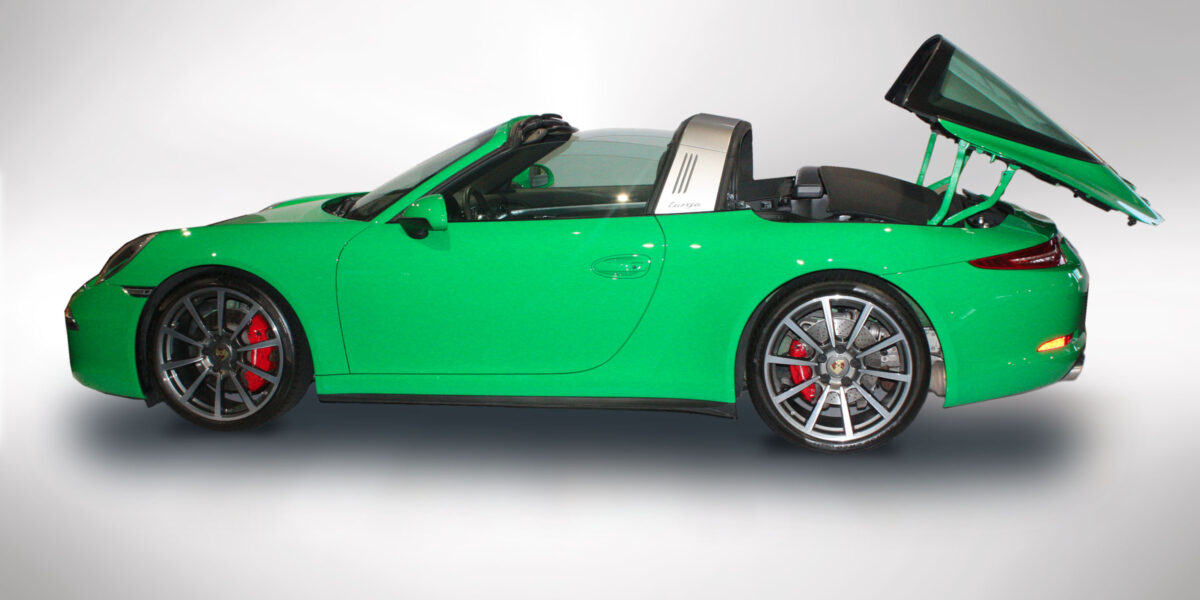
2016 Porsche 911 Targa 4s
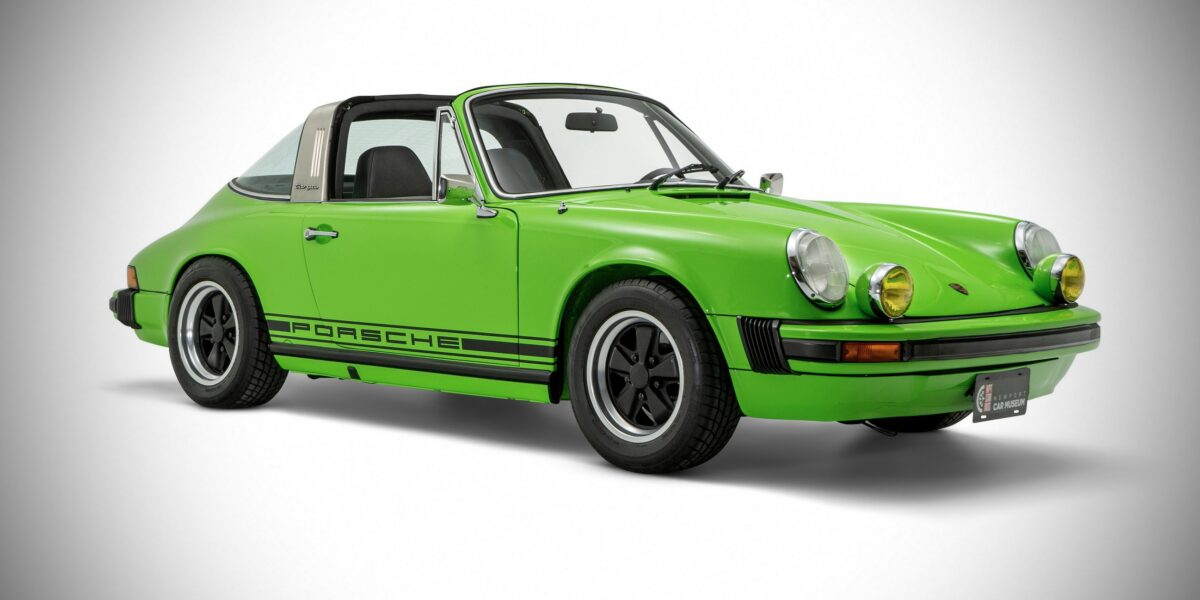
1975 Porsche 911S Targa
Engine – overhead cam, Flat 6, 2.7 liters
Horsepower – 175 hp, 167 ft-lbs of torque @ 4000 rpm
Transmission – 5-speed manual
Curb weight – 2,480 lbs
0-60 time – 7.3 seconds
¼ mile time – 15.6 seconds
Top Speed – 131 mph
Number built – 1,517 (U.S.)
MSRP price – $12,800.00
2016 Porsche 911 Targa 4S
Engine – 3.8 liter flat-6
Horsepower – 420 hp at 6500 rpm
Transmission – 7-Speed manual
0-60 time – 3.8 seconds
Top speed – 187 mph
MSRP price – $127,510.00
Nothing screams sports car like the iconic Porsche 911. In continuous production since 1964, the 911 has been delivered in many variations, trim levels, and an ever-increasing amount of performance and road manners. Through all its technological changes, government regulations, and a forever fickle consuming public, the 911 has remained true to its sporting roots.
The 911S nomenclature and the Targa body style were first introduced in 1966. The Targa design allows for full-width roof panel removal, and the S designation was the top-of-the line performance option for normally aspirated Porsches until the introduction of the 930 Turbo in 1975.
The Targa has been a stalwart of the Porsche 911 lineup since 1967 when Porsche – in anticipation of rollover safety requirements that would make it difficult for fully open convertibles to meet regulations for sale in Porsche’s important U.S. market – added a distinctive stainless steel-clad roll bar to the 911. Instead of a fully retractable top, the Targa sported a removable center panel and a plastic rear window.
Even though convertibles did not get banned in the U.S. as feared, the Targa model, with its distinctive roll bar, remained in the 911 lineup through 1989.
Based on the latest all-wheel drive 911 (known as the 991), the new Targa was re-introduced in 2015 and pays clear homage to the original design but with a brushed-aluminum roll bar, an all-new roof technology and a distinctive curved-glass rear window.
When stowing the top, the Targa’s clamshell rear hatch moves up and back to form a Z shape. Next, two flaps on the sides of the Targa roll bar shoot open, and the top folds back to stow behind the rear seats underneath the glass. The flaps then close as the clamshell comes back down into position. The process, truly mechanical madness to watch, takes 20 seconds to complete.
The Targa has been a stalwart of the 911 lineup since 1966 when Porsche put a distinctive roll hoop on the 911 Cabrio because they thought the U.S. was going to outlaw full convertibles. Since the U.S. was an important convertible market, the Targa was the solution to provide rollover protection. (The U.S. never did outlaw convertibles).
The name Targa came from the Targa Florio sports car road race in Sicily, Italy in which Porsche had several victories until 1973. The “Paint to Sample” color on this car is Viper Green.